Understanding Meat Cooking Temperatures
Precisely controlling meat’s internal temperature is essential for safety and desired doneness; PDF guides offer convenient reference charts for optimal results.
Ensuring meat is cooked to a safe internal temperature is paramount to prevent foodborne illnesses. Relying on visual cues alone isn’t sufficient‚ as color can be misleading. Utilizing a meat thermometer is the most reliable method for verifying doneness. PDF guides detailing appropriate cooking temperatures for various meats are invaluable resources‚ offering quick reference for achieving both safety and desired taste.
These guides‚ often available for free download‚ categorize meats – beef‚ pork‚ poultry‚ lamb – and specify minimum internal temperatures for different levels of doneness. Understanding these temperatures‚ and consistently checking with a thermometer‚ safeguards against harmful bacteria. Proper cooking isn’t just about preference; it’s a crucial aspect of food safety‚ and readily accessible PDF charts simplify this process.
Why Use a Meat Thermometer?
Visual assessment of meat doneness is often inaccurate; color changes aren’t reliable indicators of safe internal temperatures. A meat thermometer provides a precise reading‚ eliminating guesswork and ensuring food safety. PDF guides on meat cooking temperatures are most effective when paired with thermometer use‚ allowing you to verify if your meat has reached the recommended level.
Without a thermometer‚ you risk undercooking‚ potentially leading to foodborne illness‚ or overcooking‚ resulting in dry‚ tough meat. Thermometers are relatively inexpensive and easy to use. Many PDF resources include charts showing thermometer placement for accurate readings. Investing in a good thermometer and referencing a reliable PDF guide is a small price to pay for peace of mind and perfectly cooked meals.
Beef Cooking Temperatures
Beef temperatures vary by desired doneness; PDF guides detail rare‚ medium-rare‚ medium‚ and well-done levels for optimal flavor and safety.
Rare Beef Temperature
Achieving a truly rare beef experience requires precise temperature control‚ typically aiming for an internal temperature of 52-54°C (125-130°F). This results in a cool‚ red center‚ offering a very tender and flavorful bite. Utilizing a meat thermometer is absolutely crucial‚ as visual cues can be misleading.
PDF guides dedicated to meat cooking temperatures often highlight this range‚ emphasizing the importance of a quick sear to develop a flavorful crust while maintaining the rare interior. Remember that rare beef carries a slightly higher risk‚ so sourcing high-quality meat from a reputable supplier is paramount.
Proper handling and cooking techniques‚ as detailed in these guides‚ minimize potential health concerns‚ allowing you to confidently enjoy this classic preparation. Always ensure the surface of the meat is adequately browned to reduce bacterial presence.
Medium-Rare Beef Temperature
Medium-rare beef‚ a popular choice for many‚ strikes a balance between tenderness and flavor‚ with an internal temperature of 54-57°C (130-135°F). The center remains reddish-pink and juicy‚ offering a delightful texture. PDF meat temperature charts consistently recommend this temperature for optimal enjoyment‚ noting it preserves much of the beef’s natural succulence.
Accurate temperature measurement with a meat thermometer is vital‚ as slight variations can significantly impact the final result. These guides often emphasize the importance of resting the meat after cooking‚ allowing the juices to redistribute for a more tender and flavorful experience.
Sourcing quality beef and following safe handling practices‚ as outlined in these resources‚ are key to a successful and safe medium-rare preparation. A quick sear contributes to a delicious crust.
Medium Beef Temperature
Medium beef achieves an internal temperature of 60-63°C (140-145°F)‚ presenting a warm red center with a noticeably firmer texture than medium-rare. PDF guides dedicated to meat cooking temperatures frequently highlight medium as a versatile option‚ appealing to a broader range of preferences. It offers a good balance between juiciness and doneness.
Consistent temperature monitoring using a reliable meat thermometer is crucial for achieving this level of doneness. These resources often advise allowing the meat to rest post-cooking‚ facilitating juice redistribution and enhancing tenderness.
Proper handling and sourcing quality cuts‚ as detailed in these guides‚ contribute to a safe and flavorful medium beef experience. A good sear adds depth of flavor.
Medium-Well Beef Temperature
Medium-well beef registers an internal temperature between 65-68°C (149-155°F)‚ exhibiting a slightly pink center surrounded by mostly brown meat. PDF guides on meat cooking temperatures often depict medium-well as a step towards fully cooked‚ suitable for those preferring minimal redness. It’s less juicy than medium but still retains some tenderness.
Accurate temperature measurement with a meat thermometer is vital‚ as exceeding this range can lead to dryness. These guides emphasize the importance of resting the meat after cooking to allow juices to redistribute.
Careful attention to cooking time and heat source is necessary to avoid overcooking. Quality cuts and proper searing enhance the flavor profile‚ even at this doneness level.
Well-Done Beef Temperature
Well-done beef reaches an internal temperature of 71°C (160°F) or higher‚ resulting in a completely brown interior with no pink remaining. PDF guides detailing meat cooking temperatures typically advise against this level for prime cuts‚ as it can significantly reduce juiciness and tenderness.
However‚ some prefer the texture and assurance of a fully cooked steak. Achieving well-done requires careful monitoring to prevent excessive dryness. These guides often suggest lower‚ slower cooking methods to mitigate this.
Resting the meat remains crucial‚ though it won’t fully restore lost moisture. While not ideal for flavor‚ it’s a safe and acceptable option for those with specific preferences.
Ground Beef Temperature
Ground beef requires a higher internal temperature than whole cuts due to the increased surface area and potential for bacterial contamination during processing. PDF guides consistently recommend cooking ground beef to a minimum of 71°C (160°F) to ensure safety.
This temperature guarantees the elimination of harmful bacteria like E. coli. Always use a meat thermometer to verify‚ as color is not a reliable indicator. Thorough cooking is paramount‚ especially for vulnerable populations.
Guides emphasize that even slightly pink ground beef should be avoided. Proper handling and cooking are vital for preventing foodborne illness‚ making the 71°C target non-negotiable.

Pork Cooking Temperatures
Modern guidelines‚ detailed in PDF resources‚ prioritize cooking pork to 63°C (145°F) followed by a three-minute rest‚ ensuring both safety and juiciness.
Pork Temperature for Safety
Historically‚ pork required cooking to higher temperatures to eliminate the risk of trichinosis. However‚ modern farming practices have significantly reduced this concern‚ leading to revised safety recommendations readily available in comprehensive PDF guides. Current food safety standards‚ as detailed in these resources‚ emphasize achieving an internal temperature of 63°C (145°F) for whole cuts of pork.
This temperature‚ when verified with a meat thermometer‚ effectively eliminates harmful bacteria while preserving the pork’s moisture and flavor. It’s crucial to allow a three-minute rest period after cooking‚ as this allows the temperature to equalize and further ensures safety. PDF charts often visually represent these temperatures for quick reference‚ making it easier to ensure proper cooking. Always consult reliable sources like those found in downloadable guides for the most up-to-date information.
Medium Pork Temperature
Achieving a medium pork temperature‚ while ensuring safety‚ requires careful monitoring. PDF guides detailing meat cooking temperatures often illustrate that a medium pork preparation reaches an internal temperature between 63°C (145°F) and 68°C (155°F). This results in a slightly pink center‚ offering a balance between tenderness and flavor.
However‚ it’s vital to remember that the 63°C (145°F) threshold‚ followed by a three-minute rest‚ is the minimum safe temperature. Many cooks prefer the higher end of the medium range for added assurance. Detailed PDF charts frequently include notes on carryover cooking‚ explaining how the temperature will continue to rise during resting. Utilizing a reliable meat thermometer and referencing a comprehensive temperature PDF are crucial for consistently achieving a perfectly cooked‚ medium pork roast or chop.
Well-Done Pork Temperature
For pork cooked to well-done‚ PDF guides consistently recommend an internal temperature of 71°C (160°F). This ensures all pinkness is eliminated‚ and the meat is fully cooked‚ prioritizing safety above all else. While some flavor and moisture are lost at this higher temperature‚ it remains a popular choice for those seeking maximum assurance.
Detailed PDF charts often emphasize that well-done pork will be firm to the touch. It’s important to note that exceeding this temperature can lead to dryness. Therefore‚ precise temperature monitoring with a meat thermometer is crucial. Many downloadable PDF resources also provide guidance on resting times‚ even for well-done pork‚ to allow juices to redistribute. Always consult a reliable temperature PDF for accurate and safe cooking guidelines.

Lamb & Veal Cooking Temperatures
PDF charts detail precise internal temperatures for lamb and veal‚ ensuring optimal doneness and safety‚ from rare to well-done‚ for flavorful results.
Lamb Rare Temperature
Achieving a truly rare lamb experience requires careful attention to internal temperature. PDF guides consistently recommend an internal temperature of 125-130°F (52-54°C) for rare lamb. This results in a vibrant red center‚ incredibly tender texture‚ and maximizes the natural flavors of the lamb.
Using a reliable meat thermometer is crucial; insert it into the thickest part of the meat‚ avoiding bone. Remember that carryover cooking will continue to raise the temperature slightly after removal from the heat source.
For optimal results‚ allow the lamb to rest for at least 10 minutes before carving‚ allowing the juices to redistribute‚ ensuring a succulent and flavorful bite. PDF resources often include visual guides to help identify doneness based on color and texture.
Lamb Medium Temperature
For a medium lamb preparation‚ aiming for an internal temperature of 130-135°F (54-57°C) is key‚ as detailed in many PDF cooking guides. This delivers a warm red center‚ offering a balance between tenderness and a more developed flavor profile. It’s a popular choice for those who prefer a slightly more cooked lamb without sacrificing juiciness.
Consistent monitoring with a meat thermometer is vital. Insert it into the thickest section‚ ensuring it doesn’t touch bone. Remember carryover cooking will elevate the temperature by a few degrees post-removal.
Allowing a 10-15 minute resting period before carving is essential for juice redistribution‚ resulting in a more flavorful and tender experience. PDF charts often visually illustrate the expected color at this doneness level.
Veal Cooking Temperatures
Veal‚ being a delicate meat‚ requires precise temperature control for optimal results‚ as highlighted in numerous PDF guides on meat cooking. For rare‚ aim for 125-130°F (52-54°C)‚ yielding a red center. Medium-rare is 130-135°F (54-57°C)‚ offering a warm red interior. Medium‚ at 135-140°F (57-60°C)‚ presents a pink center.
Safety is paramount; ensure a minimum internal temperature of 145°F (63°C) for well-done veal. Always use a meat thermometer inserted into the thickest part‚ avoiding bone contact.

Resting the veal for 10-15 minutes post-cooking allows juices to redistribute‚ enhancing tenderness and flavor. PDF charts often provide visual cues for identifying doneness based on color and texture.

Poultry Cooking Temperatures (Important Safety Note)
Poultry demands careful temperature monitoring‚ detailed in PDF guides‚ to eliminate harmful bacteria; safety is non-negotiable when cooking.
Chicken Temperature
Achieving a safe internal temperature is paramount when cooking chicken‚ and readily available PDF guides provide detailed charts for accurate results. The USDA recommends cooking chicken to a minimum internal temperature of 165°F (74°C). This temperature ensures that harmful bacteria‚ such as Salmonella‚ are destroyed‚ preventing foodborne illness.
Utilizing a meat thermometer is crucial; insert it into the thickest part of the thigh‚ avoiding the bone. Remember that color is not a reliable indicator of doneness. PDF resources often include visual aids and step-by-step instructions for proper chicken preparation and temperature checking. Always prioritize safety and accuracy when handling and cooking poultry.
Turkey Temperature
Ensuring a thoroughly cooked turkey requires careful attention to internal temperature‚ and PDF guides offer comprehensive charts for reliable results. The USDA recommends cooking turkey to a minimum internal temperature of 165°F (74°C)‚ measured in the thickest part of the thigh‚ wing‚ and breast. This temperature guarantees the elimination of potentially harmful bacteria like Salmonella and E. coli.
Employing a meat thermometer is essential for accurate readings. PDF resources often provide detailed diagrams illustrating the best insertion points for the thermometer. Remember‚ stuffing the turkey can affect cooking time‚ so check the temperature of both the turkey and the stuffing‚ ensuring both reach 165°F. Prioritize safety and consult PDF guides for optimal turkey preparation.
Duck & Goose Temperature
Achieving perfectly cooked duck and goose necessitates precise temperature control‚ and readily available PDF guides provide invaluable assistance. Unlike turkey‚ duck and goose are often preferred medium-rare to medium. A minimum internal temperature of 165°F (74°C) is recommended for safety‚ but many chefs aim for 155°F (68°C) for the breast‚ allowing the leg to cook longer.
PDF charts often detail varying temperatures for different cuts and cooking methods. Because of their higher fat content‚ duck and goose render fat during cooking‚ impacting temperature readings; ensure the thermometer isn’t touching bone. Utilizing a reliable meat thermometer and referencing a PDF resource will ensure a flavorful and safely cooked bird.

Using a Cooking Temperature Chart
PDF charts simplify temperature guidance‚ ensuring safe and delicious results; they’re essential tools for precise cooking and avoiding under or overcooking meat.
Understanding Internal Temperature
Precisely measuring the internal temperature of meat is crucial‚ as color isn’t a reliable indicator of safety. PDF guides detailing cooking temperatures emphasize using a meat thermometer inserted into the thickest part‚ avoiding bone. This ensures harmful bacteria are eliminated‚ guaranteeing a safe and enjoyable meal.
Different cuts and types of meat require varying internal temperatures for optimal doneness. PDF resources provide detailed charts outlining these specific temperatures‚ categorized by meat type (beef‚ pork‚ poultry‚ etc.) and desired level of doneness (rare‚ medium‚ well-done). Relying on these temperature guidelines‚ often found in printable PDF format‚ is far more accurate than visual cues alone‚ leading to consistently perfect results.
Factors Affecting Cooking Time
Several factors influence how long it takes to reach the desired internal temperature‚ despite following PDF temperature guides. Meat thickness is paramount; thicker cuts require longer cooking times. Initial meat temperature also plays a role – bringing meat closer to room temperature before cooking can reduce overall time.
Cooking method significantly impacts timing; grilling‚ roasting‚ and pan-frying all have different heat transfer rates. Bone-in versus boneless cuts also vary‚ with bone conducting heat differently. PDF resources often provide estimated cooking times‚ but these are guidelines‚ and a meat thermometer remains essential. Understanding these variables ensures you achieve the safe and delicious results detailed in your temperature PDF.

Preparing Meat for Cooking
Allowing meat to rest or reach room temperature before cooking‚ as suggested in PDF guides‚ promotes even cooking and optimal temperature.
Bringing Meat to Room Temperature
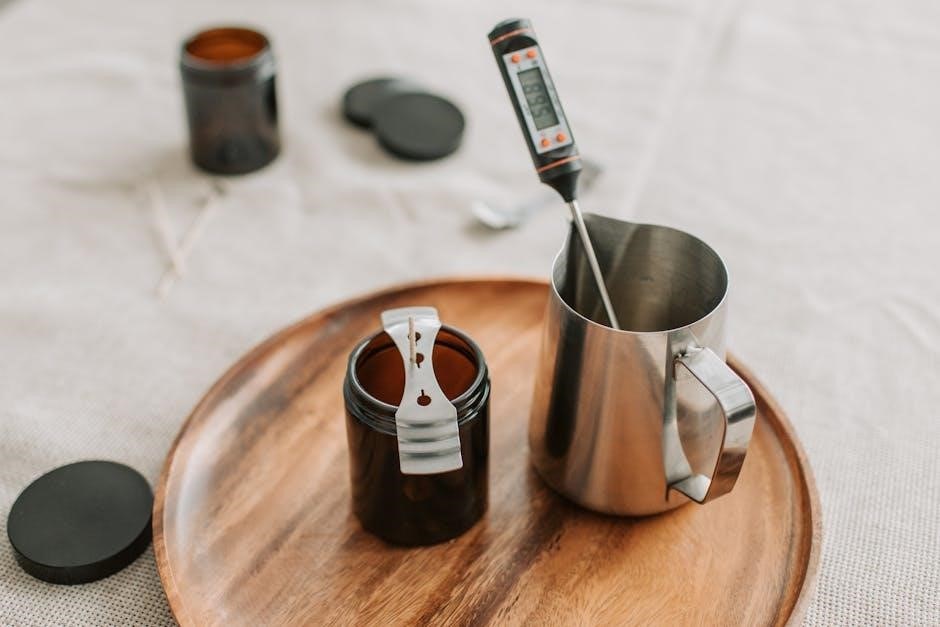
Before cooking‚ removing meat from the refrigerator approximately two hours beforehand is a widely recommended practice‚ often detailed in comprehensive PDF guides on meat temperatures. This allows for more even cooking‚ as the internal temperature isn’t drastically cold when initially exposed to heat.
Starting with cold meat can result in unevenly cooked portions – the exterior may overcook while the interior remains underdone. Bringing the meat closer to room temperature helps ensure a more consistent final result. These PDF resources emphasize that this step isn’t about leaving meat out long enough to become unsafe‚ but rather to reduce the initial temperature differential.
Remember to adhere to safe handling practices and time limits to prevent bacterial growth while the meat rests. Refer to reliable PDF charts for specific guidelines.
Resting Meat After Cooking
Allowing meat to rest after cooking is a crucial step often highlighted in detailed PDF guides concerning meat temperatures and preparation. This period‚ typically around half the cooking time‚ allows the juices to redistribute throughout the muscle fibers.
During cooking‚ heat forces moisture towards the center of the meat. Resting allows these juices to relax and reabsorb‚ resulting in a more tender and flavorful final product. Cutting into the meat immediately after cooking causes these juices to escape‚ leading to a drier result.
Many PDF resources suggest loosely tenting the meat with foil during resting to maintain warmth without steaming it. Proper resting‚ as detailed in these guides‚ significantly enhances the overall quality and enjoyment of the meal.

Resources & Printable Charts
Convenient PDF guides and online resources provide easily accessible meat temperature charts for safe and delicious cooking‚ ensuring optimal results.
PDF Guides for Meat Temperatures
Downloadable PDF guides offer a practical solution for ensuring meat is cooked to a safe internal temperature. These charts consolidate essential cooking temperatures for various meats – beef‚ pork‚ lamb‚ poultry – into a single‚ easily printable document.
Many resources‚ like those referenced‚ provide these guides‚ allowing you to keep critical temperature information handy in the kitchen. Printing and posting a PDF chart inside a cabinet or on the refrigerator ensures quick access during meal preparation. These guides often include temperature ranges for different levels of doneness‚ from rare to well-done‚ empowering you to achieve your preferred cooking result. Utilizing these PDF resources minimizes guesswork and promotes food safety.
Online Meat Temperature Resources
Numerous websites offer comprehensive meat temperature charts and interactive tools‚ complementing PDF guides. These online resources often feature detailed tables categorizing meats and specifying recommended internal temperatures for various cooking methods.
Many sites provide additional information‚ such as safe handling practices and tips for accurate temperature measurement using a meat thermometer. Some even include calculators to estimate cooking times based on meat thickness and desired doneness. Accessing these resources via smartphone or tablet allows for convenient reference while cooking. Exploring these online tools‚ alongside downloadable PDFs‚ enhances your confidence in preparing safe and delicious meals.